
Readers now find their news more often through social feeds and video platforms than by opening a publisher’s app or typing its address into a browser. The 2026 Digital News Report put the crossover in black and white. The numbers do not fully capture the quiet disappearance of the newsroom itself from the transaction. When a TikTok clip summarising a Reuters investigation autoplays between a recipe video and a meme, the viewer absorbs the facts without passing through any threshold that Reuters designed. The masthead, the About page, the neighbouring column by the same bureau, the sense of an institution with a history and a budget and a legal team, all dissolve into the platform’s white frame. The story arrives disembodied. The question is whether anyone still cares who sent it. For decades, news organisations assumed that brand recognition was an asset that compounded over time. They built websites as destinations, invested in homepage layouts that reflected editorial hierarchy, and treated direct traffic as a measure of trust. That model rested on a single, now broken, assumption: the audience would come to them.
The Homepage Was the First Paragraph
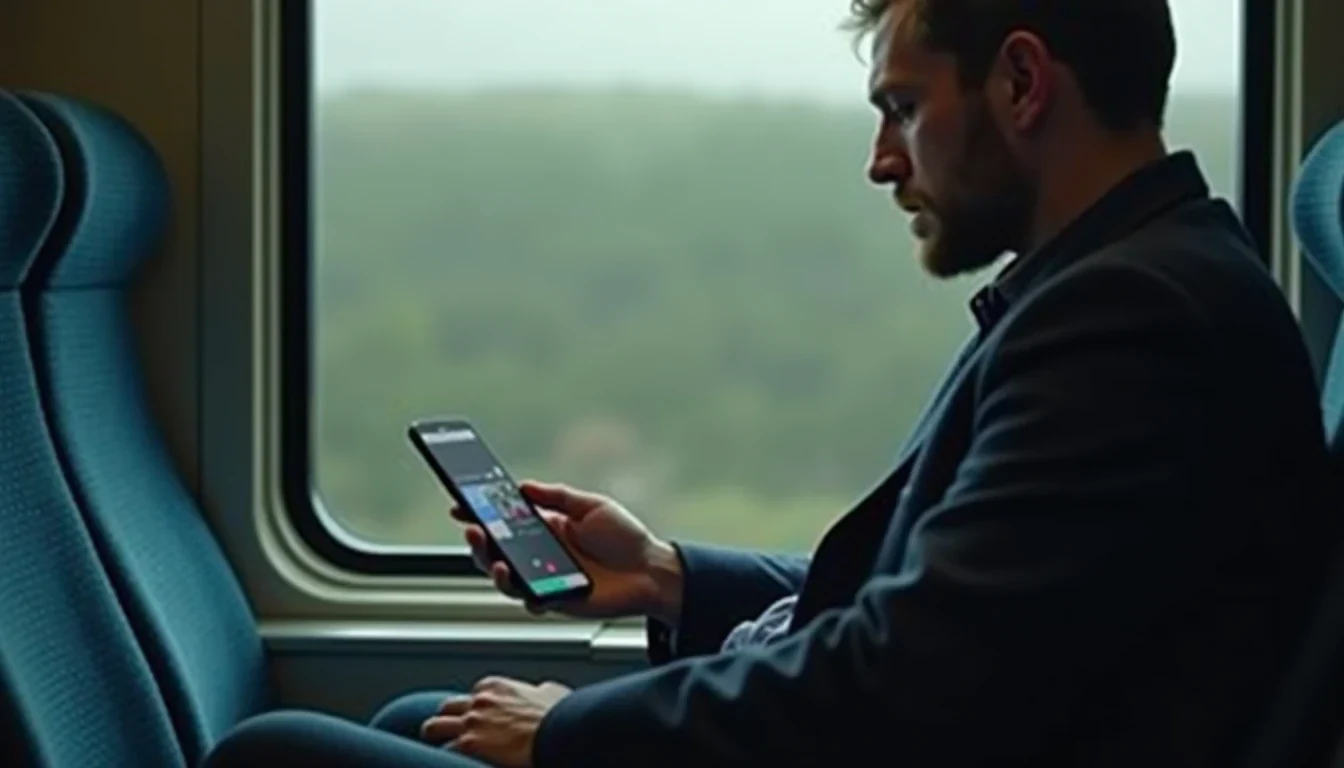
The homepage was never just a menu. It was an argument about what mattered, arranged in columns and banners that told you who ran the place and what they valued. News organisations built their digital architecture on the assumption that readers would walk through that front door deliberately, browse the foyer, and perhaps stay for another story. Now the path is reversed. Algorithms push a headline, a clip, or a carousel card into a user’s feed while they are waiting for a train or killing time between meetings. The encounter is accidental for the reader and involuntary for the publisher. The Reuters or BBC logo might appear no larger than a postage stamp beneath the fold, if it appears at all. The story lands on its own, stripped of the surrounding coverage that once gave it weight. Without the homepage to guide what comes next, the relationship between newsroom and reader is no longer a dialogue. It is a handoff, and the platform is the only one with both hands on the ball.
The Platform Becomes the Editor
Platforms recast stories. The algorithmic sorting that governs TikTok, Instagram, and X rewards velocity and emotional charge over the slower verdicts of a news desk. A meticulously reported investigation by a national newspaper sits inside the same visual template as an independent creator’s rant or a stitched reaction video. No curtain, threshold, or design language separates the two. The comment section often becomes the true annex to the piece, where correction and conspiracy share equal footing and where the top reply can reframe the entire narrative before the reader has scrolled to the original third paragraph. Related-content rails nudge the reader sideways into ideological cul-de-sacs before the original article even finishes. The platform’s uniform frame strips away the typography, the white space, and the institutional voice that once signalled authority. All content wears the same grey tracksuit. The damage runs deeper than distraction. It is a quiet rewriting of what the story meant before the reader ever reached the final sentence. Context becomes whatever the adjacent clip says it is.
Publishers Watermark the Mist
Newsrooms have not watched this unfold passively. Many now produce platform-native formats, condensing investigations into short vertical videos or threading context through screenshot carousels that obey the grammar of the feed rather than the front page. Logos and watermarks are burned directly into the corner of every clip so that even when content is ripped and re-uploaded, the source leaves a scar. Some outlets have encouraged their reporters to build recognisable personal brands on X or Instagram, turning individual journalists into human mastheads. Christiane Amanpour’s presence on social platforms, for example, offers CNN